


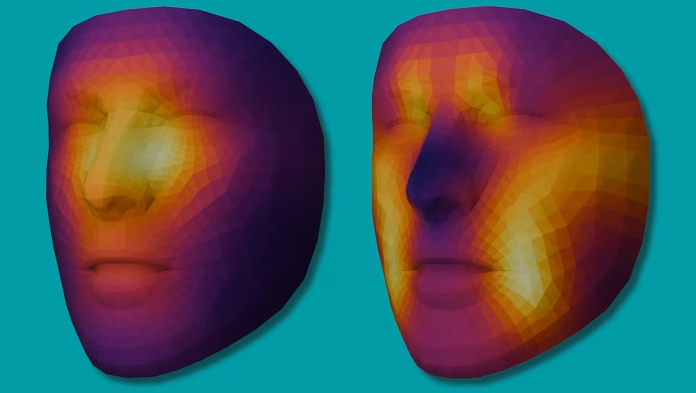
A quick look in the mirror might reveal tired eyes, new laugh lines, or premature grays, but an ordinary photograph could soon tell clinical specialists far more about your biological destiny than a standard battery of blood work. In a medical study from clinical investigators at Mass General Brigham and Harvard-affiliated research hubs, engineers have developed and validated an advanced deep-learning diagnostic network capable of evaluating a patient’s internal physiological age and projecting long-term mortality risk using nothing more complex than a conventional, two-dimensional smartphone photo.
The underlying premise hinges on the difference between chronological age—the flat count of years since birth—and biological age, which measures how rapidly cellular structures, tissues, and vital organ systems are deteriorating under environmental stress, metabolic wear, genetic predisposition, and chronic inflammation. For decades, clinicians have sought reliable biomarkers to measure biological aging, typically relying on telomere length assays, DNA methylation profiling (epigenetic clocks), and complex lipid and endocrine panels. While effective, these methods are costly, require invasive blood draws, and demand specialized laboratory throughput that remains out of reach for routine outpatient appointments.
To circumvent these hurdles, the research team trained convolutional neural networks on multi-decade longitudinal health datasets containing hundreds of thousands of standardized patient photographs matched directly against exhaustive electronic medical records, biometric histories, and verified clinical outcomes. Rather than simply scanning for prominent wrinkles or hair loss—cosmetic traits easily altered by hair dye or superficial skincare—the algorithm parses microscopic structural landmarks across the face. It evaluates subtle shifts in soft tissue volume, localized vascular micro-patterns across the dermal surface, orbital recession, subtle asymmetries in muscle tone, and micro-textural changes around the nasal bridge and jawline that remain invisible to the naked human eye.
The results demonstrated that individuals whose facial phenotypes scored as significantly older than their actual calendar age exhibited substantially elevated risks of developing cardiovascular disease, progressive neurodegenerative decline, type-2 diabetes, and early all-cause mortality over the subsequent ten-to-fifteen-year follow-up windows. Crucially, the model maintained predictive accuracy even after controlling for established confounders such as self-reported smoking habits, body mass index, diagnosed hypertension, and socioeconomic background. In several instances, the visual tool flagged early systemic decline years before routine laboratory markers triggered diagnostic alerts.
The potential clinical utility is vast. Public health researchers envision deploying the software as a passive, non-invasive triage instrument in primary care clinics, underserved community health centers, and remote telemedicine settings. A patient checking in via a mobile portal could undergo an immediate baseline risk stratification, allowing providers to prioritize preventative cardiovascular workups, early mammograms, or metabolic interventions before acute symptoms emerge.
Yet the sheer predictive fidelity of the technology has provoked immediate resistance from bioethicists, consumer privacy advocates, and legal experts. Because a photograph can be captured without specialized medical hardware—or even explicit, informed consent in public spaces—the risks of non-clinical exploitation are significant. Ethicists warn that without stringent statutory guardrails, life insurance firms, private disability underwriters, mortgage lenders, and prospective employers could deploy passive facial scans to covertly assess an applicant’s health trajectory and quietly deny coverage or raise premiums. While researchers emphasize that biological age is dynamic and reversible through rigorous lifestyle modifications, pharmaceuticals, and dietary changes, society may soon have to confront the ethical reality of an algorithm that diagnoses your lifespan before you even sit on the examination table.


